Integrated Pest Management for a Home Garden: A Sustainable Guide
Integrated pest management for a home garden focuses on long-term prevention rather than reactive chemical spraying. By prioritizing ecosystem balance, you can effectively control pests while fostering a thriving landscape. This evidence-based approach protects your productive raised beds, ensures robust soil health, and creates a safe, sustainable environment for both your plants and local wildlife.
Implementing these strategies requires patience and a shift in perspective regarding what constitutes a healthy garden. You will learn to view beneficial insects as allies and minor damage as a natural part of a complex, living system. Success relies on consistent observation and proactive care rather than quick fixes that often disrupt delicate ecological cycles.
This guide breaks down the core principles of integrated pest management into actionable steps for your everyday gardening routine. We will explore how to monitor plant health, identify common threats, and utilize natural interventions to maintain a resilient space. Get ready to transform your backyard into a productive, wildlife-friendly sanctuary using scientifically sound, sustainable gardening techniques.

Understanding the Principles of Integrated Pest Management
Integrated Pest Management (IPM) is a science-based, decision-making process that prioritizes the long-term health of your garden ecosystem over quick-fix chemical solutions. Rather than viewing pests as enemies to be eradicated at the first sign of damage, IPM treats them as a symptom of an imbalance within your landscape. By focusing on prevention, monitoring, and biological controls, you create a resilient environment where plants can thrive naturally.
The core philosophy of IPM is to manage, not eliminate. A healthy garden requires a baseline level of insect activity to support beneficial predators. When you utilize harsh pesticides, you often kill the very insects—such as ladybugs, lacewings, and parasitic wasps—that keep pest populations in check. IPM seeks to preserve these natural allies, allowing your garden to function as a self-regulating system.
To implement IPM effectively in your home garden, follow these four foundational steps:
- Prevention through Cultural Practices: Focus on soil health and plant vitality. Healthy, robust plants are naturally more resistant to pests and diseases. This includes using high-quality compost, practicing crop rotation in your raised beds, and selecting plant varieties that are well-suited to your specific climate and soil conditions.
- Regular Monitoring: Become an active observer. Spend time in your garden at least twice a week to inspect the undersides of leaves, stems, and soil surfaces. Early detection allows you to address minor issues before they escalate into infestations that require more drastic intervention.
- Setting Action Thresholds: Decide in advance how much damage you are willing to tolerate. A few aphids on a robust kale plant rarely warrant action, as they provide food for beneficial insects. Only when a pest population threatens the survival or significant productivity of a plant should you consider intervention.
- Choosing Biological and Mechanical Controls: When a threshold is crossed, start with the least-toxic method. This might involve hand-picking pests, using row covers to physically exclude insects, or introducing biological controls like predatory nematodes. Chemical interventions should only be a last resort, and if used, they must be targeted and organic to minimize harm to the broader ecosystem.
Soil health is the invisible engine of IPM. When you nurture the soil microbiome with organic matter, you provide your plants with the complex nutrients needed to build strong cell walls and chemical defenses against chewing insects. A balanced soil environment also supports a diverse array of ground-dwelling beneficials, such as ground beetles and spiders, which act as your garden’s first line of defense against soil-borne pests.
Integrating wildlife-friendly elements further strengthens this strategy. By planting a diverse array of native flowers, you provide nectar and pollen for pollinators and predatory insects throughout the growing season. A landscape that offers habitat—such as water sources, mulch, and perennial borders—ensures that beneficial predators remain in your garden even when pest numbers are low. This creates a “predator reservoir” that can quickly respond if a pest population begins to spike.
Ultimately, IPM is about shifting your perspective from “controlling” nature to “partnering” with it. By fostering a diverse, balanced landscape, you reduce your reliance on external inputs and cultivate a garden that is inherently more productive. This evidence-conscious approach not only protects your harvest but also contributes to the health of your local environment, ensuring your garden remains a vibrant, living space for seasons to come.
Proactive Prevention in Your Raised Beds
The most effective way to manage pests in a home garden isn’t through sprays or traps, but through the environment you create within your raised beds. By treating your garden as a holistic ecosystem, you can minimize pest pressure before it ever begins. Proactive prevention relies on cultural practices that prioritize plant vigor, making your crops less attractive and more resilient to opportunistic insects and diseases.
Start by selecting plant varieties specifically bred for disease resistance. Seed catalogs and plant labels often include codes—such as V, F, or N—indicating resistance to common issues like Verticillium wilt, Fusarium wilt, or nematodes. Choosing these varieties provides a built-in defense system, significantly reducing the likelihood of a total crop failure.
Once your plants are in the ground, crop rotation is your most powerful tool for disrupting pest life cycles. Many soil-borne pathogens and insect larvae overwinter in the soil, waiting for their preferred host to return. When you plant the same family of vegetables in the same spot year after year, you essentially set a dinner table for these pests. Follow these simple rotation guidelines to break the cycle:
- Legumes (peas, beans): Fix nitrogen in the soil, preparing it for heavy feeders.
- Leafy Greens (lettuce, spinach, kale): Benefit from the nitrogen left behind by legumes.
- Root Vegetables (carrots, beets, radishes): Need loose, low-nitrogen soil to prevent misshapen roots.
- Fruit-bearing crops (tomatoes, peppers, squash): Require rich, fertile soil to support heavy yields.
Soil health is the foundation of plant immunity. Rather than relying on synthetic fertilizers that provide a quick, imbalanced nutrient spike, focus on building soil structure through organic amendments. Incorporating high-quality compost or well-rotted manure improves soil aeration and water retention, which helps plants manage stress. A plant that is not stressed by drought or nutrient deficiency is far less likely to emit the chemical signals that attract aphids and other sap-sucking insects.
Sanitation is equally critical in a raised bed environment. Pathogens, such as fungal spores and bacteria, often travel on contaminated surfaces. If you prune a diseased tomato leaf, those pathogens can easily hitch a ride to your healthy plants via your shears. To prevent this, make it a habit to disinfect your tools between plants using a solution of rubbing alcohol or a mild bleach-to-water ratio. Always remove and dispose of diseased plant debris immediately rather than composting it, as many home compost piles do not reach the high temperatures necessary to kill persistent pathogens.
Creating a wildlife-friendly landscape around your raised beds also serves as a natural pest control mechanism. By planting a diversity of flowers—such as yarrow, dill, and marigolds—you attract beneficial predatory insects like ladybugs, lacewings, and hoverflies. These “good bugs” act as your garden’s first line of defense, patrolling your beds and consuming pest populations before they reach damaging levels. Avoid using broad-spectrum pesticides, as these often kill beneficial predators faster than they kill the pests, leading to a rebound effect where pest populations explode in the absence of their natural enemies.
Finally, keep your raised beds tidy by managing mulch and irrigation. While mulch is excellent for moisture retention, avoid piling it directly against the stems of your plants, as this creates a damp, dark environment that invites slugs and fungal rot. Use drip irrigation or soaker hoses to deliver water directly to the root zone rather than overhead watering. Keeping foliage dry is one of the simplest, most effective ways to prevent the spread of foliar diseases like powdery mildew. By integrating these cultural practices, you create a robust, self-regulating garden that thrives with minimal intervention.
Monitoring and Accurate Identification
The cornerstone of effective Integrated Pest Management (IPM) is shifting from a reactive mindset to a proactive one. Instead of waiting for visible damage—such as skeletonized leaves or wilting stems—to alert you to a problem, you must cultivate the habit of regular observation. By monitoring your garden consistently, you can catch minor pest issues while they are still manageable, often before they require any intervention beyond simple manual removal.
Make it a point to walk through your garden at least twice a week. During these walkthroughs, look beyond the surface of the leaves. Turn them over to inspect the undersides, where many pests, such as aphids, spider mites, and whiteflies, prefer to congregate and lay eggs. Check the base of your plants and the soil surface for signs of activity, like frass (insect excrement) or chewed foliage.
To improve your diagnostic capabilities, keep a few basic tools on hand:
- A hand lens or magnifying glass: Many garden pests are microscopic or nearly transparent in their early stages. A 10x magnification lens is invaluable for distinguishing between harmful pests and harmless debris or beneficial insect eggs.
- Yellow or blue sticky traps: These are excellent monitoring tools, not just control methods. Placing a few traps near your most vulnerable crops helps you identify which insects are active in your garden before they establish a large population.
- A garden journal: Note which plants are attracting pests and at what time of year. Over time, this data will help you anticipate problems and plant accordingly, perhaps by adjusting your planting schedule or choosing more resistant varieties.
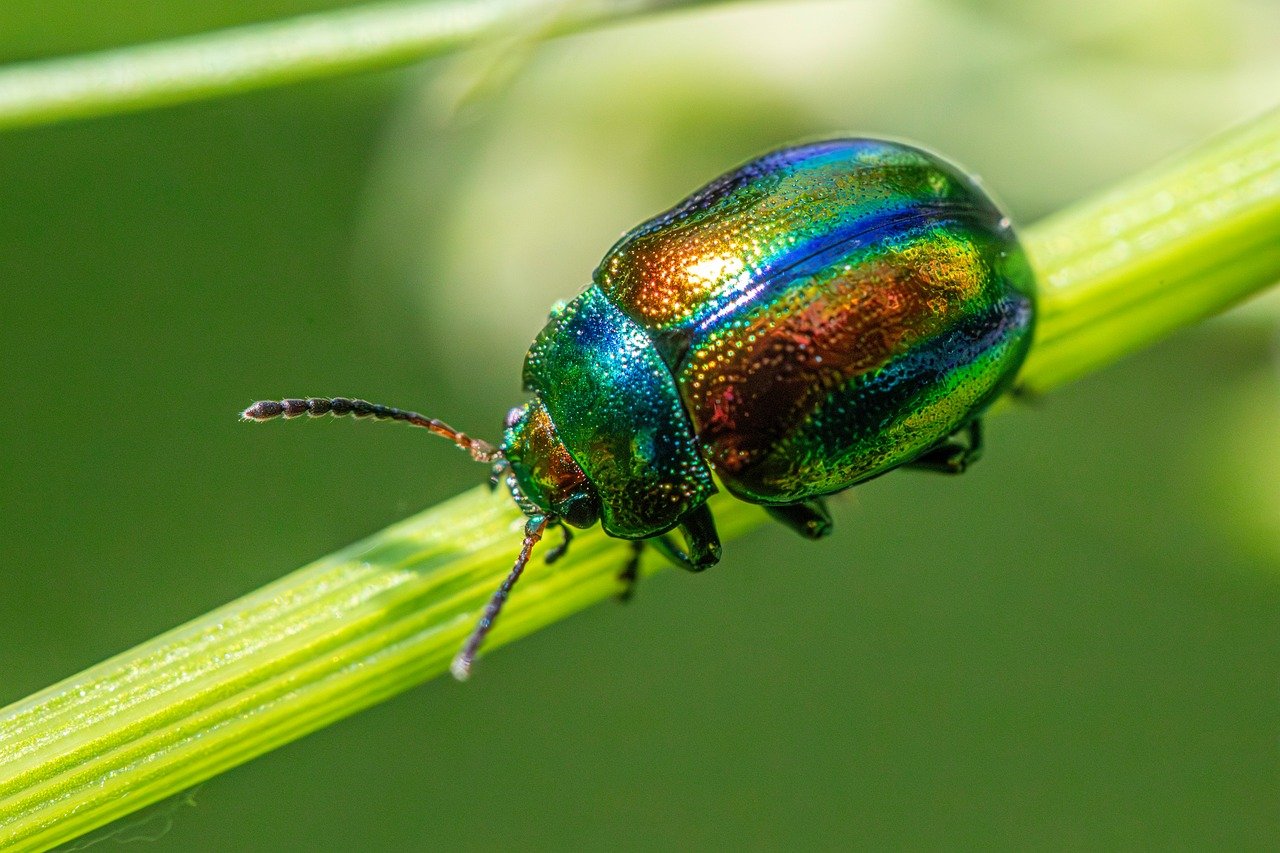
The most critical step in monitoring is accurate identification. It is a common mistake to assume that any insect found on a damaged plant is the culprit. In reality, many insects found on plants are either neutral, beneficial predators, or essential pollinators. If you misidentify a beneficial insect as a pest and eliminate it, you remove a natural defense mechanism that would have helped control the actual pest population.
Before taking any action, ask yourself these questions:
- Is the insect actually causing damage, or is it simply present?
- Is this insect a predator, such as a ladybug, lacewing, or hoverfly, that is actively hunting the pests?
- Does the damage I see exceed the plant’s ability to recover?
If you find an insect you do not recognize, avoid the urge to spray immediately. Take a clear photograph and use reputable online resources, such as your local university extension service or a regional agricultural guide, to identify it. Many pests have distinct life cycles; understanding whether you are looking at an egg, a larva, or an adult can change how—or if—you need to respond.
Focusing on soil health and plant vitality also plays a role in your monitoring efforts. Plants grown in nutrient-rich, well-draining soil with adequate organic matter are naturally more resilient to pest pressure. A healthy plant can often tolerate a low level of insect feeding without significant impact on yield. By monitoring, you learn to distinguish between a healthy ecosystem that can handle a few pests and a genuine outbreak that threatens the productivity of your raised beds.
Ultimately, your goal is to maintain a balance. A garden completely devoid of insects is rarely a healthy one. By observing regularly, identifying accurately, and only intervening when necessary, you protect the pollinators and beneficial insects that make your garden thrive while keeping damaging pests in check.
Applying Biological and Physical Controls Safely
Integrated Pest Management (IPM) prioritizes the health of your garden ecosystem by favoring preventative measures and low-impact interventions over broad-spectrum chemicals. By focusing on biological and physical controls, you can manage pest populations while preserving the soil health and biodiversity that make your raised beds productive.
Physical barriers are often the most effective first line of defense. Floating row covers, made from lightweight, spun-bonded fabric, act as a physical shield against common pests like cabbage loopers, carrot rust flies, and aphids. These covers allow sunlight and water to reach your plants while preventing insects from landing to lay eggs. Ensure the edges are buried or weighted down securely to prevent opportunistic pests from crawling underneath.
When physical barriers aren’t enough, manual intervention is a safe, targeted approach. Hand-picking larger insects, such as tomato hornworms or Japanese beetles, is highly effective in smaller home gardens. Simply drop the pests into a container of soapy water. For smaller, soft-bodied insects like aphids, a firm spray of water from a garden hose is often sufficient to dislodge them from foliage without harming the plant or the soil.
Encouraging biological control—the use of beneficial insects—turns your landscape into a self-regulating system. Instead of relying on pesticides that kill indiscriminately, cultivate a habitat that attracts predatory insects:
- Ladybugs: These voracious eaters specialize in aphid control. Plant dill, fennel, and yarrow to provide the pollen and nectar they need to thrive.
- Lacewings: Known as “aphid lions” in their larval stage, lacewings also consume mites and whiteflies. They are attracted to coreopsis, sunflowers, and cosmos.
- Parasitic Wasps: These tiny, harmless-to-humans insects lay eggs inside garden pests. Maintain a diverse planting scheme to provide them with the necessary shelter and nectar sources.
While these methods are sustainable and safe for the environment, you must still prioritize your personal safety during garden maintenance. Gardening involves physical labor that can pose minor risks if proper precautions are not taken.
Always wear sturdy, puncture-resistant gardening gloves when handling sharp tools, pruning thorny plants like roses or blackberries, or digging in soil where hidden debris may exist. Gloves protect your skin from abrasions, splinters, and potential contact with irritants or pathogens present in the soil.
Furthermore, when working with fine organic fertilizers, bone meal, or dry soil amendments, it is wise to wear a dust mask or respirator. These products often contain fine particulates that, when airborne, can cause respiratory irritation or allergic reactions if inhaled. To minimize dust, gently moisten dry amendments before mixing them into your raised beds.
By observing your plants closely and intervening with these physical and biological tools, you foster a resilient garden. This evidence-conscious approach ensures that your interventions are based on actual pest pressure rather than a preventative spray schedule, keeping your soil healthy and your ecosystem balanced.

When to Seek Professional Advice
Even the most diligent gardener will occasionally encounter an infestation that defies standard integrated pest management (IPM) techniques. While the goal of sustainable gardening is to foster a self-regulating ecosystem, persistent or unidentified threats can compromise your soil health and plant productivity. Knowing when to escalate your management strategy is a vital skill that protects your investment in raised beds and landscape biodiversity.
You should consider seeking professional assistance when you observe damage that spreads rapidly despite your best efforts, or if you cannot confidently identify the pest responsible. Applying broad-spectrum treatments without a precise diagnosis often harms beneficial insects and disrupts the delicate balance of your garden soil. If you notice symptoms such as sudden, widespread wilting, unusual leaf distortion, or the rapid death of established plants, it is time to consult an expert.
Your local agricultural extension office is the most reliable resource for evidence-based guidance. These offices are staffed by university-trained professionals who understand your specific regional climate, local soil conditions, and common pest pressures. They provide science-backed solutions that prioritize environmental safety and long-term garden health over quick-fix chemical interventions.
When contacting an extension office, provide the following to ensure they can offer accurate advice:
- High-resolution photographs of the affected plants, including close-ups of the pest and the specific damage pattern.
- A brief history of the plant, including when it was planted and any recent changes in soil amendments or watering routines.
- A list of any cultural practices you have already attempted, such as manual removal, pruning, or the introduction of companion plants.
- Information about nearby plants that appear healthy, which helps professionals rule out environmental stressors or localized soil issues.
Beyond seeking external help, your most powerful tool for future success is a dedicated garden journal. Documentation transforms your garden from a series of reactive events into a proactive, evidence-based system. By recording pest trends throughout the season, you create a baseline that allows you to anticipate and intercept problems before they escalate next year.
Your journal entries should focus on specific, actionable data points rather than general observations. Include the date of the first sighting, the weather conditions during the outbreak, and the specific varieties of plants that were targeted. If you used a specific intervention, note its effectiveness. Over time, this record will reveal patterns—such as a specific pest arriving exactly when your kale begins to bolt—allowing you to adjust your planting schedule or introduce preventive measures like row covers in advance.
Effective garden maintenance is an ongoing process of observation and refinement. By tracking these trends, you learn to distinguish between minor, transient pest populations that your garden’s natural predators can handle and genuine threats that require intervention. This data-driven approach reduces the need for reactive measures and fosters a more resilient, wildlife-friendly landscape.
Ultimately, professional advice and personal record-keeping work in tandem. When you reach out to an extension office with a well-maintained journal in hand, you provide the context necessary for them to offer tailored, sustainable advice. This collaborative approach ensures that your garden remains a productive, healthy space that works in harmony with the local environment rather than against it.
Even the most dedicated gardeners encounter situations where local expertise provides better outcomes than DIY intervention. If you notice rapid, systemic decline—such as sudden wilting across multiple plant families, mysterious bark lesions, or widespread necrotic spotting—it is time to consult a professional. These symptoms often indicate soil-borne pathogens like Verticillium wilt or deep-seated root rot, which are difficult to diagnose and manage without laboratory testing.
Reach out to your local university extension office or a certified master gardener when you observe pests that defy standard identification. Bringing a sealed sample of the affected foliage and a soil core to an expert ensures you avoid the “shotgun approach” of applying broad-spectrum pesticides, which can inadvertently destroy the beneficial predatory insects and soil microbes essential for long-term garden resilience.
Use this checklist to determine if your garden requires professional intervention:
- Unexplained Mortality: When plants die in clusters despite consistent moisture and soil health management.
- Invasive Threats: If you suspect the presence of regulated invasive species that require specific reporting or containment protocols.
- Structural Soil Issues: Persistent drainage failures or chemical imbalances that remain unresolved after two seasons of organic amendments.
- Tree Health: Any significant canopy dieback or fungal growth on woody perennials, which pose safety risks and require specialized arboricultural care.
When seeking advice, provide a clear history of your garden management. Mention your recent use of organic fertilizers, the frequency of your raised bed irrigation, and any changes in surrounding landscape features. Professionals can help you interpret soil test results to determine if your issues stem from nutrient toxicity or pH imbalances rather than pest pressure.
After receiving professional guidance, request an Integrated Pest Management (IPM) plan tailored to your specific microclimate. Avoid immediate reliance on synthetic chemicals. Instead, ask for biological control recommendations, such as specific companion plantings or the introduction of native beneficial insects. Always prioritize the long-term health of your soil food web, as healthy, biologically active soil remains your strongest defense against future pest outbreaks.