A Beginner Guide to Crop Rotation in Raised Beds
Mastering crop rotation in raised beds is the most effective way to boost soil health and increase your vegetable yields. This beginner guide to crop rotation in raised beds explains why rotating plant families matters and how to plan your seasonal planting effectively for a more productive, sustainable, and thriving home garden.
Implementing a rotation plan might seem complex, but it is actually a simple, evidence-conscious approach to managing garden pests and nutrient depletion. You do not need a massive plot to see results; even small raised beds benefit significantly when you avoid planting the same botanical families in the exact same soil repeatedly.
In the following sections, we will break down the fundamental principles of sustainable gardening and wildlife-friendly landscaping. You will learn practical strategies to organize your beds, maintain long-term soil fertility, and ensure your plants receive the precise care they need to flourish throughout the entire growing season with minimal effort.

Why Crop Rotation Matters for Raised Beds
In a contained environment like a raised bed, the soil ecosystem is more concentrated than in an open field. While this allows for excellent drainage and easy management, it also means that the soil environment can change rapidly based on what you grow. Crop rotation—the practice of systematically moving plant families to different beds each season—is the most effective way to maintain long-term soil fertility and health without relying on synthetic inputs.
When you grow the same plant family in the same spot repeatedly, you create a biological imbalance. Different vegetable families have distinct nutritional needs and root structures. By rotating them, you ensure that no single set of nutrients is completely stripped from the soil, allowing the microbial life in your raised bed to thrive and recover naturally.
Preventing Soil-Borne DiseaseMany plant pathogens, such as verticillium wilt or clubroot, live in the soil and wait for their preferred host to appear. If you plant tomatoes in the same bed every year, these pathogens build up in the soil, eventually reaching a threshold that can devastate your harvest. Rotating crops acts as a biological “reset button.” By moving a host plant away from a specific bed for two to three years, the pathogen population naturally declines because it lacks the specific plant tissue required to survive and reproduce.
Disrupting Pest Life CyclesPests are often highly specialized, targeting specific plant families. For example, the larvae of the Colorado potato beetle thrive on nightshades like potatoes, peppers, and eggplants. If you leave these crops in the same location, you provide a consistent food source for emerging pests. When you move these crops to a different bed, the emerging insects may fail to find their host plant, significantly reducing the pressure on your garden and minimizing the need for physical or chemical interventions.
Balancing Nutrient DepletionDifferent crops “eat” the soil differently. Leafy greens are heavy nitrogen consumers, while root vegetables like carrots and parsnips reach deeper into the soil profile to pull up potassium and phosphorus. If you plant the same type of crop repeatedly, you will exhaust specific minerals while leaving others untouched. A thoughtful rotation strategy balances these demands:
- Heavy Feeders (e.g., Tomatoes, Cabbage, Corn): These require high levels of nitrogen and organic matter.
- Light Feeders (e.g., Carrots, Onions, Radishes): These thrive in soil where heavy feeders have previously depleted excess nitrogen, which prevents them from producing excessive foliage at the expense of roots.
- Soil Builders (e.g., Peas, Beans): Legumes have a symbiotic relationship with bacteria that fix nitrogen from the air into the soil, essentially “recharging” the bed for the next season’s heavy feeders.
Sustainable gardening is about working with natural cycles rather than forcing the soil to perform. By rotating your crops, you encourage a diverse population of beneficial fungi and bacteria. This microbial diversity is the foundation of healthy soil structure, which improves water retention and nutrient availability.
Instead of reaching for synthetic fertilizers to correct deficiencies caused by repetitive planting, rotation allows you to manage fertility through organic amendments like compost and cover crops. This approach fosters a resilient landscape where plants are naturally more vigorous and better equipped to handle environmental stress. When you treat your raised beds as a dynamic, living system rather than a static container, you ensure that your garden remains productive for years to come.
Understanding Plant Families
To master crop rotation, you must first learn to group your vegetables by their botanical families. In gardening, plants that share the same family tree often demand identical soil nutrients and act as magnets for the same specific pests and soil-borne diseases. If you plant the same family in the same spot year after year, you inadvertently create a buffet for these pests and deplete the soil of specific minerals.
Think of your raised bed as a rotating dining hall. By moving these families through different sections of your garden, you break the life cycles of pathogens and ensure that the soil remains balanced and fertile.
Here are the most common vegetable families you will encounter in your raised beds:
- Legumes (Fabaceae): This group includes peas, beans, and lentils. They are the “soil builders” of the garden because they have a unique ability to fix nitrogen from the air into the soil, leaving it richer for the next crop.
- Brassicas (Brassicaceae): Often called the cabbage family, this group includes broccoli, kale, cauliflower, radishes, and arugula. These are heavy feeders that require plenty of nitrogen and are highly susceptible to pests like cabbage loopers and clubroot disease.
- Nightshades (Solanaceae): This popular group features tomatoes, peppers, potatoes, and eggplants. They are notoriously prone to blight and wilt diseases that can persist in the soil for several seasons.
- Root Vegetables (Apiaceae/Chenopodiaceae): This category covers carrots, parsnips, beets, and chard. These plants focus their energy on developing deep, healthy root systems and generally prefer soil that is loose and free of fresh manure, which can cause them to fork or grow hairy.
- Cucurbits (Cucurbitaceae): This family includes squash, cucumbers, melons, and pumpkins. They are vigorous growers that require significant space and high levels of organic matter to support their heavy fruit production.
When planning your rotation, the goal is to avoid planting the same family in the same raised bed for at least three to four years. For example, following a heavy-feeding family like Brassicas with a soil-enriching family like Legumes is a classic strategy. The legumes will help replenish some of the nitrogen that the brassicas stripped away, creating a natural cycle of restoration.
Evidence-conscious care means observing these patterns rather than guessing. If you notice a specific pest, such as the potato beetle, appearing in your nightshade patch, you know that moving your nightshades to a different bed next season is your best line of defense. This simple shift forces the pest to search for food elsewhere, often causing their population to crash without the need for chemical intervention.
By organizing your garden by family, you also simplify your nutrient management. You can apply compost or organic fertilizers tailored to the needs of that specific group. For instance, you might focus on adding extra potassium for your fruiting nightshades while prioritizing loose, fine-textured soil for your root crops.
As you become more familiar with these groups, you will start to see your raised beds not just as containers for individual plants, but as integrated ecosystems. Managing your garden by family units is the most effective way to maintain long-term soil health, reduce pest pressure, and ensure a productive harvest year after year without relying on synthetic inputs.

Practical Planning Strategies for Small Spaces
Managing a four-bed system is the gold standard for small-space crop rotation. By dividing your raised beds into four distinct zones, you create a natural cycle that prevents soil-borne diseases, discourages pests, and balances nutrient uptake. This system ensures that no single plant family occupies the same soil two years in a row, which is essential for maintaining long-term soil health.
To implement this, organize your crops into four primary groups based on their botanical families and nutritional needs:
- Bed 1: Legumes (Nitrogen Fixers). Beans and peas enrich the soil by pulling nitrogen from the air and storing it in their roots.
- Bed 2: Leafy Greens and Brassicas (Heavy Feeders). Kale, broccoli, spinach, and lettuce thrive on the nitrogen left behind by the previous year’s legumes.
- Bed 3: Fruiting Crops (Moderate Feeders). Tomatoes, peppers, cucumbers, and squash require phosphorus and potassium to produce fruit.
- Bed 4: Root Crops (Light Feeders). Carrots, onions, garlic, and beets prefer soil that is not overly rich in nitrogen, which prevents them from growing excessive foliage at the expense of the root.
At the end of each season, simply rotate the groups forward: Bed 1 moves to Bed 2, Bed 2 to Bed 3, and so on. This simple shift ensures that the soil has time to recover and that specific pests—which often overwinter in the soil waiting for their favorite host—find a different crop waiting for them instead.
For those working with fewer than four beds, you can apply this logic using a four-season or “time-based” rotation. Instead of physical beds, divide a single large raised bed into four quadrants. If you have only one small bed, rotate by season: plant legumes in the spring, follow with leafy greens in the summer, root crops in the autumn, and use the winter for cover crops or soil amendments like organic compost.
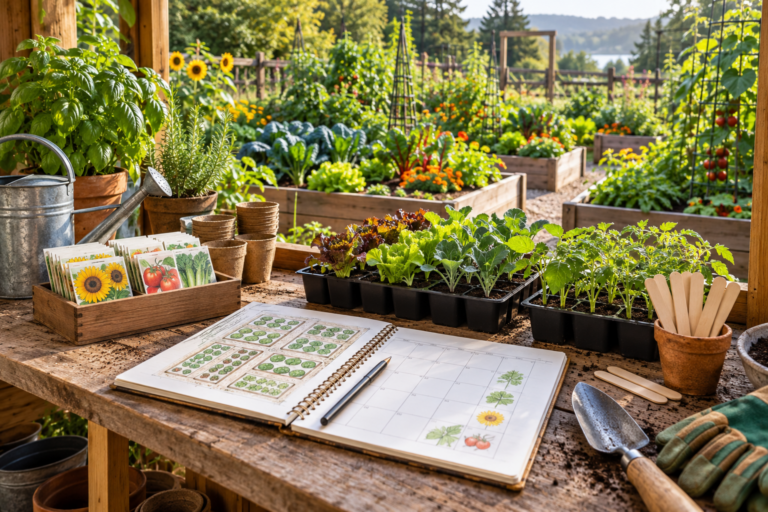
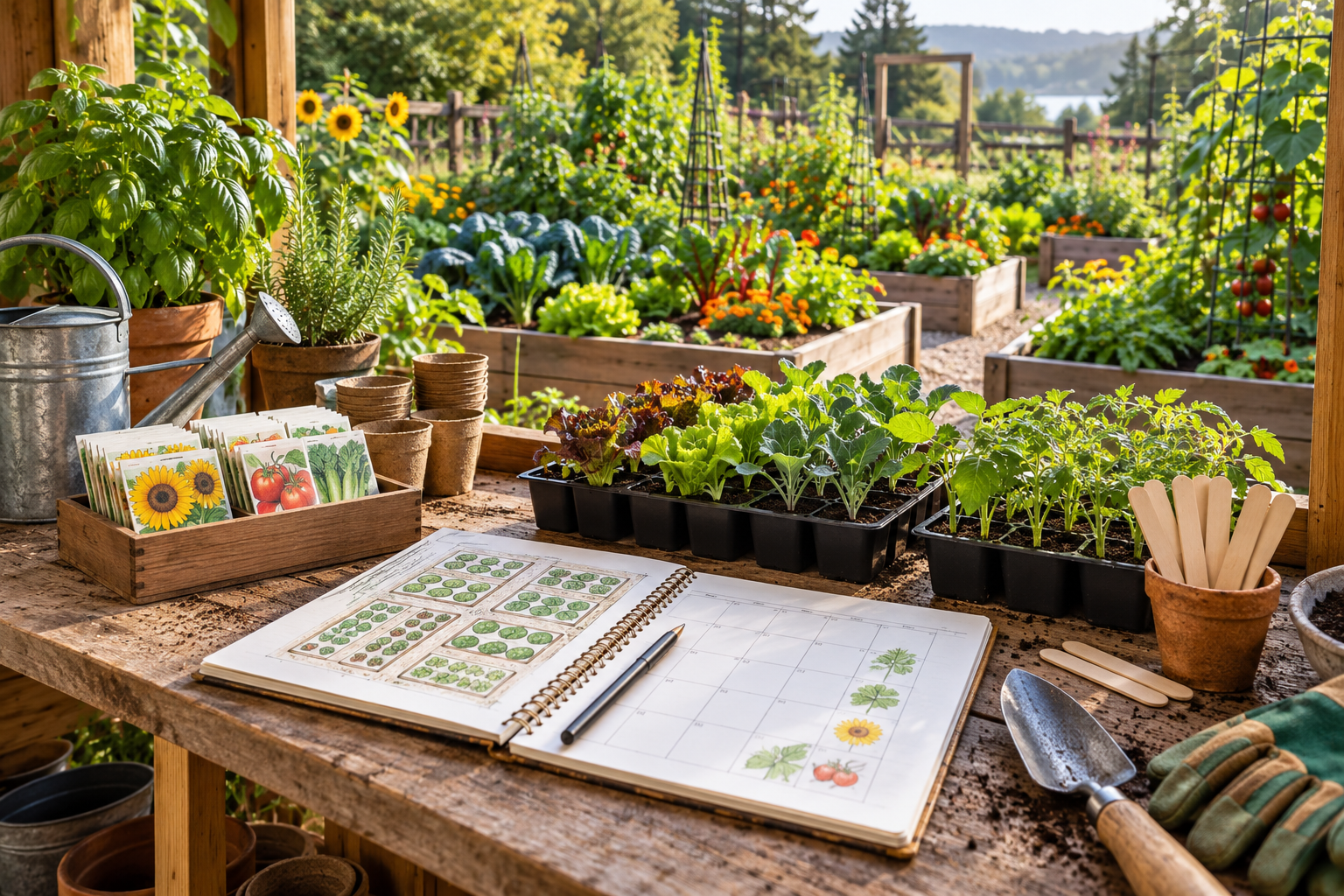
Mapping your garden is the most effective way to stay organized without feeling overwhelmed. A simple hand-drawn sketch on a piece of graph paper or a digital spreadsheet works perfectly. Label each bed clearly and note the date of planting. When you harvest, jot down a quick note on how the crop performed. Did the tomatoes struggle in Bed 3? Was the kale particularly prone to cabbage worms? These simple observations turn your garden into a data-driven project, helping you refine your planting plan for the following year.
To keep your record-keeping manageable, follow these three rules:
- Keep it visible: Place your garden map near the door or in the shed where you keep your tools. If it is hidden away, you will not update it.
- Focus on the family: You do not need to record every single seed. Just note the plant family (e.g., “Solanaceae” for tomatoes/peppers) so you know what to avoid planting there next season.
- Date your entries: Always include the month and year. This allows you to track the longevity of your soil amendments and the success of your seasonal rotations.
Beyond rotation, support your soil health by practicing “no-till” gardening. In raised beds, avoid turning the soil deeply, which disrupts the delicate fungal networks and beneficial microorganisms that help plants absorb nutrients. Instead, add an inch or two of high-quality compost to the surface after each harvest. The worms and natural soil life will incorporate the organic matter for you.
Finally, integrate wildlife-friendly elements into your small-space layout. Planting a small border of marigolds, dill, or alyssum at the edge of your raised beds attracts pollinators and predatory insects that act as natural pest control. By combining a systematic rotation plan with these evidence-based care strategies, you create a productive, resilient ecosystem that works with nature rather than against it. You will find that as your soil health improves, the need for external fertilizers and chemical interventions drops significantly, leading to a more sustainable and rewarding gardening experience.
Safety and Best Practices for Garden Maintenance
Maintaining a productive raised bed garden requires consistent effort, but your safety should always be the priority. Whether you are prepping soil for a new crop rotation or harvesting vegetables, taking a few extra moments to practice safe maintenance techniques will protect your health and extend the longevity of your tools.
The most important piece of safety equipment in your garden is a pair of sturdy, well-fitting gloves. Soil often contains sharp debris, such as small rocks, broken glass, or remnants of previous plant stakes. Additionally, certain plants and fertilizers can cause skin irritation. Gloves act as a barrier against these physical hazards and potential pathogens found in the soil, such as tetanus or fungal spores.
When working with hand tools, always prioritize ergonomics and control. Use these best practices to prevent injury:
- Hand Trowels: Keep your wrist straight and use your arm strength rather than just your wrist to dig. If the soil is compacted, loosen it with a garden fork first rather than forcing the trowel, which can lead to repetitive strain injuries.
- Pruners: Always cut away from your body. Ensure your pruners are sharp; a dull blade requires more force, increasing the risk of the tool slipping and causing a cut.
- Rakes: When raking debris or leveling soil in your raised beds, keep your back straight and your knees slightly bent. Switch your leading hand periodically to balance the muscle engagement and prevent soreness.
Moving heavy materials—such as bags of compost, potting mix, or bulk soil—is a common task when refreshing raised beds. Improper lifting is a leading cause of back injuries in the garden. Always lift with your legs, not your back. Squat down to the object, keep it close to your chest, and stand up using the power of your thigh muscles. If a bag feels too heavy, use a wheelbarrow or ask for assistance rather than risking a strain.
Tool hygiene is equally vital for the success of your crop rotation strategy. Pathogens, such as root rot or bacterial wilt, can easily travel from one bed to another on dirty tools. If you are moving from a bed that held diseased plants to a fresh area, you risk infecting your new crops immediately.
To keep your tools clean and sanitary:
- Remove caked-on soil after every use with a stiff brush or a damp cloth.
- Sanitize metal blades by wiping them with a solution of one part bleach to nine parts water, or use 70% isopropyl alcohol.
- Dry tools thoroughly before storing them to prevent rust, which can weaken the metal and create jagged edges.
- Periodically sharpen your blades to ensure clean cuts, which help plants heal faster and reduce their susceptibility to disease.
Finally, be mindful of your environment while working. If you are gardening in full sun, stay hydrated and take frequent breaks in the shade to prevent heat exhaustion. Clear your workspace of unnecessary tools or hoses to prevent tripping hazards. By keeping your area organized and your body protected, you ensure that gardening remains a sustainable, enjoyable activity rather than a physical burden.

Troubleshooting and Ongoing Garden Care
Even with the best planning, gardening rarely goes exactly to plan. You may find that your raised beds are limited in size, making a traditional four-year rotation cycle mathematically impossible. If you lack the space to rotate crops across different beds, do not be discouraged. You can still maintain soil health by practicing “in-place” rotation or focusing heavily on nutrient replenishment.
When you cannot move a crop to a new bed, focus on diversifying the plant families you grow within that same bed over a single season. For example, if you grow heavy-feeding tomatoes in the summer, follow them immediately with a light-feeding leafy green or a legume in the autumn. This prevents the soil from being depleted of the exact same nutrients by the same plant family year after year.
The most effective way to manage soil health in restricted spaces is by utilizing cover crops. Often called “green manure,” these crops are planted not for harvest, but to protect and feed the soil. Between your primary vegetable rotations, sow cover crops like crimson clover, winter rye, or hairy vetch.
Cover crops offer three essential benefits for your raised beds:
- Nutrient Fixation: Leguminous cover crops, such as clover or peas, pull nitrogen from the air and store it in their roots, naturally fertilizing the soil for your next planting.
- Soil Structure: Deep-rooted cover crops break up compacted soil, improving drainage and aeration without the need for heavy tilling.
- Erosion Prevention: Leaving soil bare between seasons invites weeds and causes nutrient leaching. Cover crops act as a living mulch, protecting the soil surface from harsh rain and wind.
To use cover crops effectively, sow them as soon as you pull your final harvest. Allow them to grow until they begin to flower, then cut them down at the soil line. Leave the clippings on the surface as a mulch or lightly incorporate them into the top two inches of soil. Wait two to three weeks before planting your next vegetable crop to allow the organic matter to begin breaking down.
Despite your best efforts, you may eventually encounter persistent issues, such as stunted growth, yellowing leaves that do not respond to fertilizer, or recurring wilting despite adequate moisture. These are often indicators of soil-borne diseases like verticillium wilt or nematodes, which can linger in the soil for years.
If you notice these patterns, avoid the temptation to guess with chemical treatments. Instead, reach out to your local university agricultural extension service. These offices are designed to provide science-based, regional advice to home gardeners.
When you contact them, be prepared to provide the following information:
- A clear description of the symptoms and the specific plant varieties affected.
- A history of what you have grown in that specific bed over the last two to three seasons.
- Photos of the affected plants, including close-ups of the roots and stems.
- Details about your watering and fertilization habits.
Agricultural extensions can often facilitate affordable soil testing, which is the only way to confirm the presence of specific pathogens or nutrient imbalances. If a soil-borne disease is confirmed, they may recommend solarization—a process of covering the soil with clear plastic during the hottest part of the summer to heat the earth and kill pathogens—or suggest specific resistant plant varieties for your region.
Remember that gardening is a long-term relationship with your soil. By focusing on organic matter, using cover crops to bridge the gaps in your rotation, and seeking expert help when persistent problems arise, you create a resilient landscape that supports both your harvest and the local ecosystem.