How to Design a Native Pollinator Garden for a Thriving Ecosystem
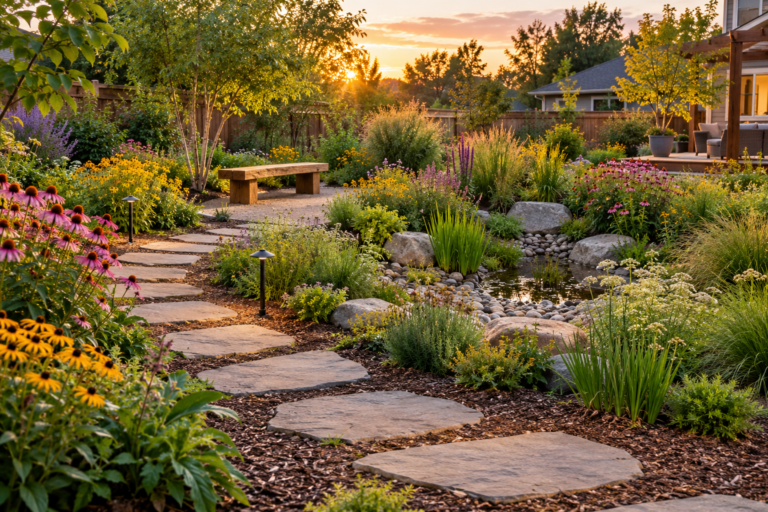
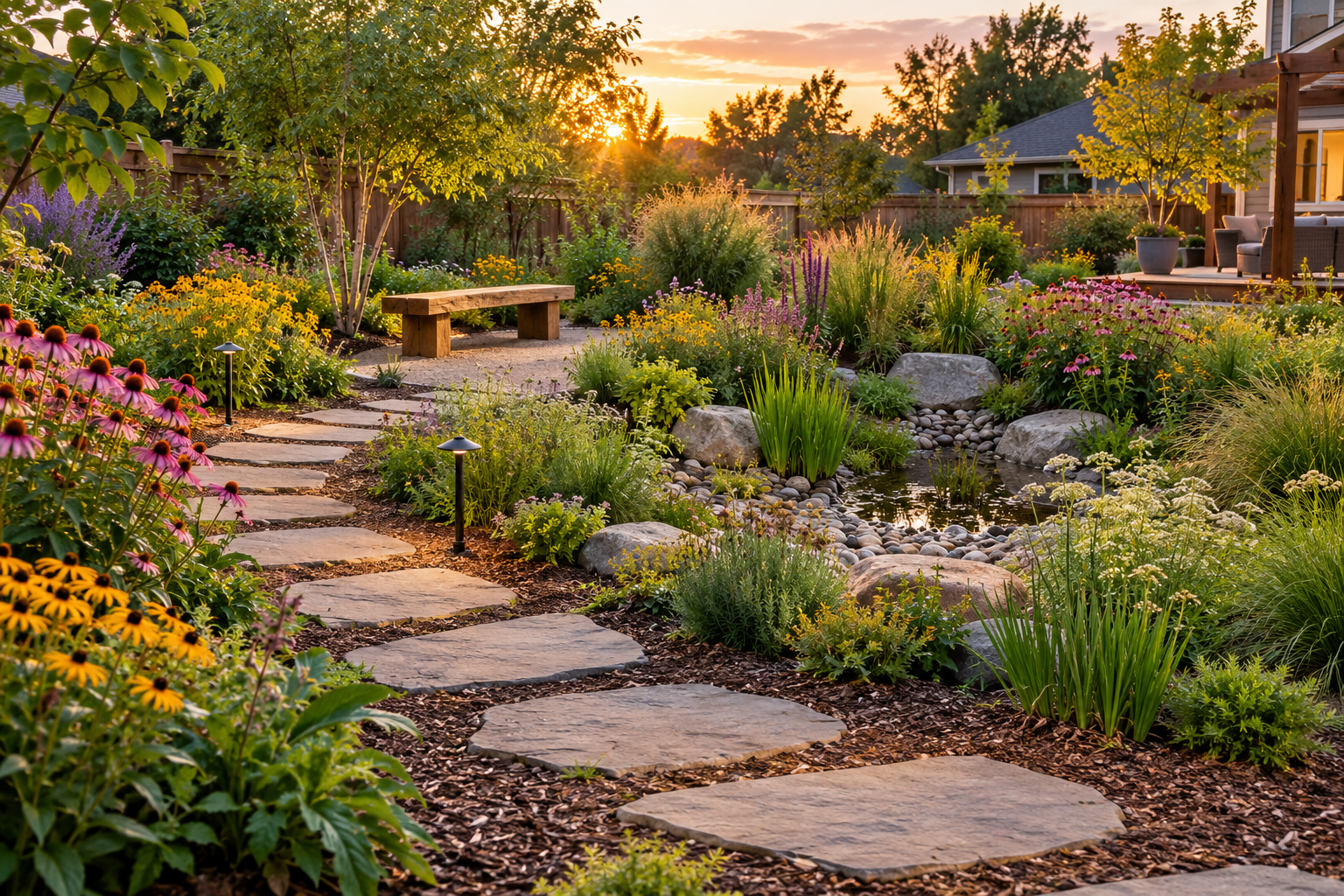
Learn how to create a beautiful, low-maintenance native pollinator garden that supports local bees, butterflies, and birds while improving your soil health and landscape biodiversity. By choosing plants adapted to your specific region, you can design a thriving sanctuary that requires fewer resources and less intervention than traditional ornamental landscapes while providing essential habitats for local wildlife.
Designing a successful native garden is a rewarding process that balances aesthetic appeal with ecological function. It is important to remember that these landscapes are living systems, not static displays, so they may look different throughout the changing seasons. With patience and observation, you will find that a well-planned space eventually becomes self-sustaining, resilient, and deeply connected to your local environment.
In this guide, we will walk you through evidence-conscious plant care and the best methods for building productive raised beds. You will learn how to assess your soil health, select the right species for your climate, and implement sustainable gardening practices. Follow these practical steps to transform your outdoor space into a vibrant, pollinator-friendly ecosystem that flourishes year after year.

Assess Your Site Conditions and Soil Health
Before you select a single plant, you must understand the unique environment of your garden. Native plants are not “set it and forget it” if they are placed in the wrong conditions. Success starts with observing how nature interacts with your specific plot of land.
Spend a full day—or several—mapping your sunlight patterns. Most native pollinators require full sun, defined as at least six to eight hours of direct exposure. However, some species are adapted to woodland edges or dappled shade. Track where shadows fall at 9:00 AM, noon, and 4:00 PM to determine if you are working with full sun, partial shade, or deep shade. Planting a sun-loving milkweed in a dark corner will only lead to leggy, unproductive plants.
Next, evaluate your drainage. Native plants often have deep root systems, but they are not all water-lovers. Dig a simple percolation test hole about 12 inches deep and fill it with water. If it drains within an hour, you have fast-draining, sandy soil. If it takes several hours or remains standing, you have heavy clay or poor drainage. This distinction is critical for choosing species that can handle “wet feet” versus those that require dry, well-draining conditions.
Understanding your soil chemistry is the final step in site assessment. You do not need to be a chemist to get the data you need. Purchase a simple home soil test kit or send a sample to your local university extension office. You are looking for two primary metrics:
- pH Levels: Most native plants prefer slightly acidic to neutral soil. Knowing your pH helps you select species that can effectively uptake nutrients.
- Nutrient Profile: Native plants have evolved to thrive in “lean” soils. Unlike vegetable gardens, pollinator beds rarely need heavy fertilization. In fact, excessive nitrogen often encourages weak, floppy growth and discourages flowering.
Once you have your data, resist the urge to “fix” the soil by tilling. Traditional gardening advice often suggests turning over the earth and amending it with heavy compost or fertilizers, but this is counterproductive for native ecosystems. Tilling destroys the delicate soil structure and severs the fungal networks—known as mycorrhizae—that help native plants absorb water and nutrients efficiently.
Instead, focus on building soil health from the top down. If your soil is compacted, use a broadfork to gently aerate the ground without inverting the layers. If you are using raised beds to bypass poor native soil, fill them with a high-quality, peat-free mix that mimics the texture of local forest floors. By keeping the soil layers intact, you preserve the beneficial microbes that have spent years creating a stable, nutrient-cycling environment.
If you find your soil is extremely poor, apply a thin layer of organic compost as a top dressing rather than digging it in. Earthworms and soil insects will naturally incorporate the organic matter into the lower layers over time. This “no-till” approach creates a resilient foundation where native roots can grow deep, drought-tolerant, and perfectly adapted to the local landscape.
By matching your plant selections to the existing sunlight, drainage, and pH of your site, you reduce the need for supplemental watering, chemical fertilizers, and pesticides. A garden designed with these evidence-based principles is not only more productive for pollinators but also significantly easier to maintain over the long term.
Select the Right Native Plant Species
The foundation of a successful pollinator garden lies in selecting species that have evolved alongside your local insects. Native plants are not merely decorative; they are biological necessities. Because they are adapted to your specific ecoregion’s soil, climate, and rainfall, they require less supplemental water and fewer fertilizers, promoting a healthier, more sustainable garden ecosystem.
When choosing plants, prioritize those native to your immediate area rather than broad regional generalizations. Local nurseries that specialize in native flora are your best resource, as they often source seeds from local ecotypes. These plants offer the specific nectar and pollen profiles that local bees, butterflies, and beneficial insects require to thrive.
To support a diverse range of pollinators, you must manage your garden’s “bloom calendar.” Many pollinators emerge early in the spring or remain active until the first hard frost of autumn. If your garden only blooms in mid-summer, you create a “hunger gap” that can force pollinators to leave your yard in search of food. Aim for a sequence of blooms that ensures at least three species are flowering at any given time throughout the growing season.
Consider these strategies for selecting and organizing your plant palette:
- Early Season: Incorporate spring ephemerals and native shrubs like serviceberry (Amelanchier) or redbud (Cercis canadensis) to provide critical energy for queen bees emerging from hibernation.
- Mid-Season: Utilize high-nectar perennials such as milkweed (Asclepias), bee balm (Monarda), and coneflowers (Echinacea) to support the peak activity of butterflies and native solitary bees.
- Late Season: Include asters (Symphyotrichum) and goldenrod (Solidago). These are vital “fuel stations” for migratory species like the Monarch butterfly and for bees preparing for winter dormancy.
Beyond species selection, the physical arrangement of your plants significantly impacts pollinator efficiency. Pollinators expend considerable energy moving between flowers. When you plant in isolated, singular specimens, you force insects to fly further and work harder to collect enough resources. This is known as the “foraging cost.”
Instead, embrace the practice of “drifting” or “clustering.” Plant your chosen species in groups of three, five, or seven. These clusters create a visual beacon that is easier for pollinators to spot from a distance. Once they arrive at a cluster, they can forage more efficiently by visiting multiple flowers of the same species in a concentrated area, minimizing their flight time and maximizing their caloric intake.
When preparing your garden beds for these plants, focus on soil health rather than chemical inputs. Native plants generally prefer the natural microbial balance of undisturbed soil. Avoid tilling deeply, which can destroy the delicate fungal networks that help plants absorb nutrients. If you are using raised beds, ensure the soil mix mimics the drainage and organic matter content found in your local native soil. Adding a light layer of organic compost is usually sufficient to support plant vigor without encouraging invasive weed growth.
Finally, adopt an evidence-conscious approach to plant care. Observe which plants in your garden receive the most traffic from pollinators and which struggle with local pests. If a native plant is consistently failing despite being in its preferred light and moisture conditions, it may not be the right fit for your specific microclimate. Remove it and replace it with a species that has proven successful in neighboring gardens. By curating a garden that mimics the diversity and structure of a natural meadow, you create a resilient, low-maintenance habitat that provides essential services to your local environment.

Prepare Your Planting Area Safely
Before you introduce native plants to your landscape, you must establish a healthy foundation. Preparing your planting area is the most critical step in ensuring long-term success, but it requires a focus on both physical safety and soil integrity. Whether you are clearing an existing lawn or repurposing an old flower bed, your approach should prioritize the living ecosystem beneath your feet.
Safety must be your first priority when breaking ground. Before you lift a shovel, call your local utility location service to identify any buried gas, water, or electrical lines. Striking a utility line is dangerous and costly, and it can disrupt essential services for your entire neighborhood. Once you have confirmed the area is clear, dress appropriately for the task. Always wear heavy-duty, puncture-resistant gloves to protect your hands from sharp debris, hidden glass, or thorns. Sturdy, closed-toe boots are non-negotiable; they provide the necessary arch support for digging and protect your feet from accidental strikes with heavy tools.
When clearing turf, avoid the temptation to use harsh chemical herbicides, which can leach into the soil and harm the very pollinators you intend to attract. Instead, consider sustainable methods like “sheet mulching” or “lasagna gardening.” By layering cardboard over the grass and covering it with organic compost, you effectively smother the weeds while simultaneously feeding the soil microbiome. This method preserves the soil structure and encourages earthworm activity, which is essential for healthy, productive raised beds.
If your project requires mechanical assistance, prioritize your personal protective equipment (PPE). When operating power tools such as tillers, edgers, or sod cutters, follow these safety protocols:
- Eye Protection: Wear impact-rated safety goggles to shield your eyes from flying soil, rocks, and debris.
- Hearing Protection: Use earplugs or noise-canceling earmuffs to prevent long-term hearing damage caused by loud, repetitive engine noise.
- Vibration Management: If using heavy machinery for extended periods, take frequent breaks to reduce the risk of hand-arm vibration syndrome.
- Dust Control: If the soil is exceptionally dry, lightly mist the area with water to keep dust particles out of your respiratory system.
For manual excavation, choose ergonomic hand tools that fit your grip and stature. Tools with long handles or padded, non-slip grips can significantly reduce physical strain on your back, wrists, and shoulders. When digging, remember to bend at your knees rather than your waist, and keep your load close to your body to maintain your center of gravity. If you are preparing a large area, tackle the work in smaller, manageable sections over several days rather than attempting to finish in one exhausting session.
As you prepare the soil, resist the urge to over-till. While traditional gardening advice often suggests deep tilling, current evidence-based horticulture points toward “no-till” or “minimal-till” practices. Excessive tilling destroys the intricate fungal networks and soil structure that native plants rely on for nutrient uptake. Instead, focus on incorporating organic matter into the top few inches of the soil. This encourages a porous, aerated environment that retains moisture and supports the complex root systems of native perennials.
Finally, observe the drainage and sunlight patterns of your prepared area before you plant. Native pollinator species are often highly specific about their requirements; some thrive in boggy, low-lying areas, while others require sharp drainage and full sun. By preparing the site with a focus on soil health and safety, you create a resilient environment where your native plants can establish deep roots, thrive with minimal intervention, and provide a vital sanctuary for local wildlife.
Incorporate Wildlife-Friendly Features
A truly productive pollinator garden functions as a complete ecosystem rather than just a floral display. While nectar and pollen are essential food sources, your garden must also provide the fundamental requirements for survival: safe water, secure shelter, and chemical-free habitats. By integrating these features, you transform your space into a sanctuary where beneficial insects can thrive throughout their entire life cycle.
Water is often overlooked in garden design, yet it is vital for pollinators, especially during hot, dry spells. Bees, butterflies, and beneficial wasps require water not only for hydration but also for cooling their nests and processing food. However, deep birdbaths can be hazardous for small insects that risk drowning.
To create a safe watering station, follow these steps:
- Use a shallow dish or a wide, flat saucer.
- Place smooth stones, river rocks, or marbles across the bottom so they protrude above the water line.
- Ensure the water level is low enough that the stones create dry “landing pads” for insects to perch on while they drink.
- Refresh the water daily to prevent mosquito breeding and maintain hygiene.
Shelter is equally critical, particularly for ground-nesting bees, which make up the vast majority of native bee species. Unlike honeybees that live in hives, these solitary bees nest in small tunnels underground. To accommodate them, you must resist the urge to “tidy up” every square inch of your garden.
Designate a few out-of-the-way corners as “wild zones” where the soil remains undisturbed. Avoid applying thick layers of heavy mulch or landscape fabric in these areas, as these materials act as barriers that prevent bees from accessing the soil. A patch of bare, sandy, or well-drained soil in a sunny location is the ideal real estate for these essential pollinators.
Beyond the soil, consider the vertical structure of your landscape. Leaving hollow-stemmed perennials uncut through the winter provides vital overwintering sites for solitary bees and beneficial predatory insects. When you do prune in the spring, leave stems at varying heights—between 8 and 15 inches—to create natural nesting tubes.
The most important step in maintaining a wildlife-friendly garden is the total elimination of synthetic pesticides and herbicides. These chemicals do not distinguish between “pests” and pollinators. Even systemic insecticides, which are absorbed into the plant’s tissues, can contaminate nectar and pollen, leading to sublethal effects that impair the navigation, reproduction, and immune systems of bees.
If you encounter aphids or other garden visitors, practice evidence-conscious plant care:
- Monitor before acting: Most insect populations are kept in check by natural predators like ladybugs, lacewings, and parasitic wasps. Give these beneficial insects time to do their work.
- Focus on soil health: Healthy, nutrient-dense soil produces robust plants that are naturally more resilient to disease and pest pressure. Use organic compost to build soil structure rather than relying on synthetic fertilizers, which can create weak, “forced” growth that attracts pests.
- Accept minor damage: A few holes in a leaf are a sign of a healthy, functioning food web. If a plant is being heavily damaged, consider its placement or species selection rather than reaching for a spray bottle.
By shifting your perspective from “controlling” the garden to “cultivating” a habitat, you create a self-sustaining environment. When you provide clean water, undisturbed nesting sites, and a chemical-free landscape, the pollinators will naturally find their way to your garden, rewarding you with increased plant productivity and a vibrant, living ecosystem.
Follow-Up Care and Common Questions
Native gardens are celebrated for their resilience, but they are not entirely “set it and forget it” during their infancy. The transition from a nursery container to your landscape is a significant stressor for any plant. During the first growing season, your primary responsibility is to ensure the root systems become well-established before the plant is left to rely solely on natural precipitation.
Water your new native plants deeply once or twice a week, depending on your local climate and soil drainage. Deep watering encourages roots to grow downward, making the plants more drought-tolerant in the long run. Avoid light, frequent surface sprinkling, which promotes shallow root growth and leaves plants vulnerable to heat stress. After the first year, most native species will have developed robust root systems capable of thriving on your region’s typical rainfall patterns.
Sustainable gardening also requires a shift in how we view “garden cleanup.” Traditional landscaping often demands that we cut back all perennials in autumn, but this removes vital habitat. Instead, embrace a “lazy” gardening philosophy:
- Leave the stalks: Hollow and pithy stems provide essential overwintering sites for solitary bees and other beneficial insects.
- Keep the leaf litter: Fallen leaves act as natural mulch, suppressing weeds, retaining soil moisture, and providing a sanctuary for butterfly pupae and ground-dwelling beetles.
- Delay spring pruning: Wait until temperatures consistently reach above 50°F (10°C) in the spring before clearing debris. This ensures that insects emerging from their winter slumber have safely vacated their nesting sites.
Soil health is the foundation of a productive native landscape. Avoid the urge to fertilize your native beds. Most native plants are adapted to the specific nutrient levels of your local soil; adding synthetic fertilizers can actually weaken them, encouraging rapid, succulent growth that attracts pests and makes the plants floppy. If you are using raised beds to manage difficult soil, ensure you are using a high-quality, peat-free compost mix that promotes drainage while maintaining enough structure to support deep root growth.
Even in a well-planned native garden, you may encounter aggressive invaders. Non-native, invasive species can quickly outcompete your carefully selected pollinators. If you find a persistent plant that you cannot identify or manage, do not reach for chemical herbicides immediately. Instead, contact your local university agricultural extension office. They provide evidence-based, region-specific guidance on how to manage invasive populations without harming the surrounding beneficial ecosystem.
Common questions often arise regarding the “wild” appearance of a native garden. If your landscape starts to look untidy, focus on “cues of care.” These include keeping the edges of your garden beds neatly defined with a clean mulch border or installing a simple path. These visual markers signal to neighbors and visitors that the wild aesthetic is intentional, not neglected. Remember that a native garden is a living, evolving system. Some plants may spread more than others, and some may struggle; this natural flux is a sign of a healthy, functioning habitat.
Finally, trust the process. Evidence shows that native gardens become more productive for pollinators as the plant community matures. By minimizing soil disturbance, avoiding pesticides, and providing structural complexity through standing stalks and leaf litter, you are creating a self-sustaining refuge that supports biodiversity far more effectively than a traditional manicured lawn.