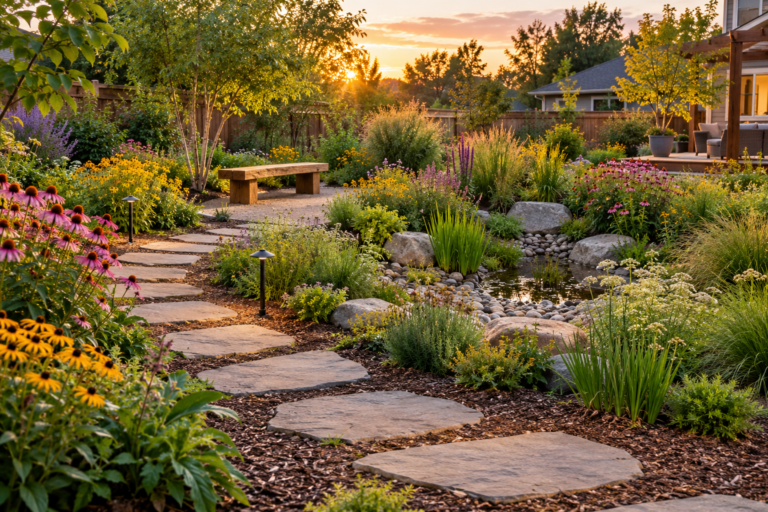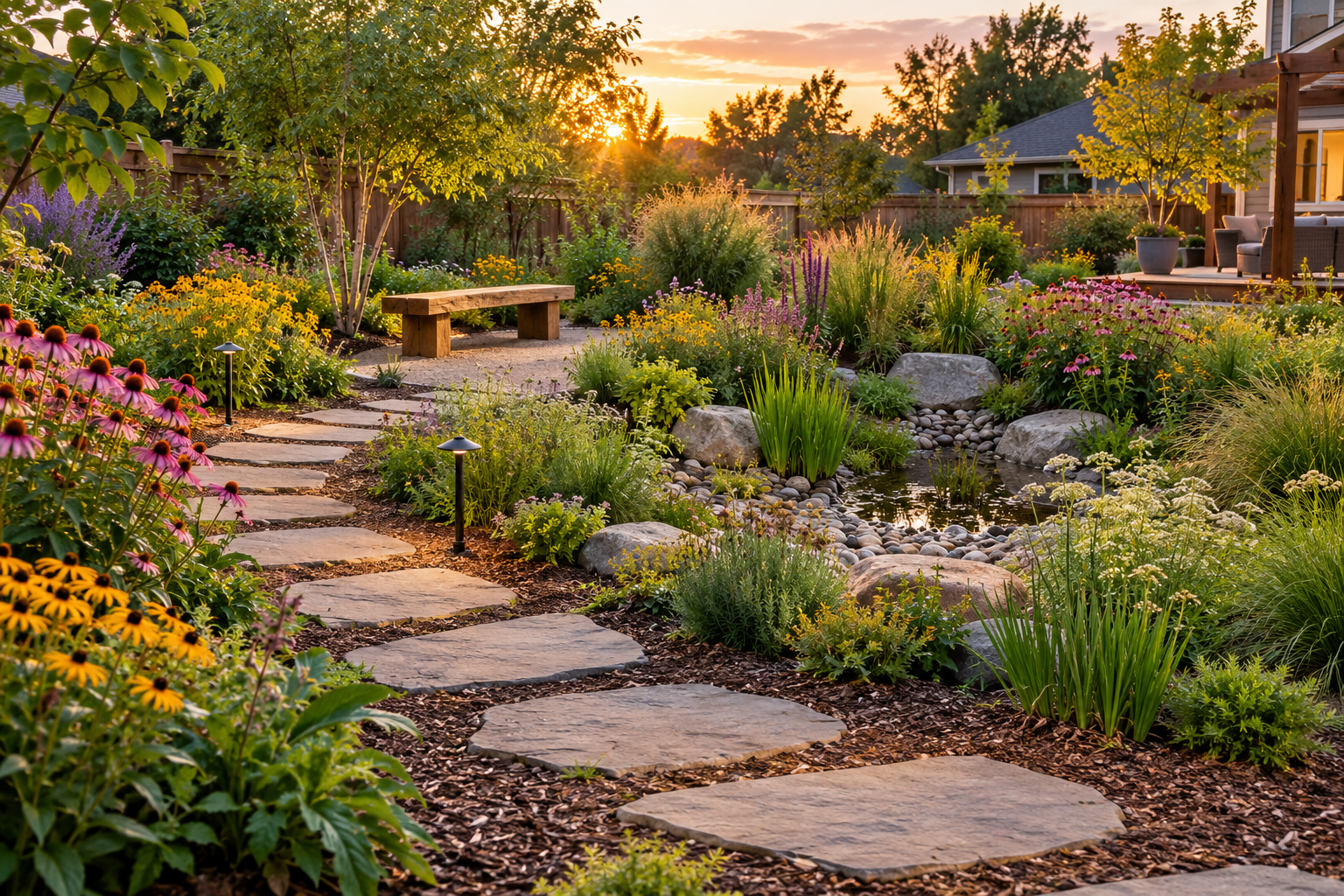
Low Water Front Yard Landscaping Ideas for Sustainable Curb Appeal
Transforming your front yard into a water-wise landscape reduces maintenance and supports local biodiversity. This guide explores practical, evidence-based strategies to create a beautiful, drought-tolerant space that thrives with minimal irrigation. By selecting native species and optimizing your soil structure, you can achieve a stunning curb appeal that naturally conserves precious water resources.
Achieving a sustainable landscape is a rewarding process that requires patience and careful planning rather than overnight results. While low-water gardens eventually become self-sustaining, they still demand thoughtful initial care to establish deep root systems. Understanding your specific soil type and local climate is essential for long-term success and truly minimizing your ongoing landscape maintenance.
In the following sections, we will cover how to build productive raised beds and enrich your soil health through organic practices. We also provide actionable tips for designing wildlife-friendly habitats that attract beneficial pollinators. Follow our evidence-conscious approach to plant care to ensure your front yard remains vibrant, resilient, and environmentally responsible throughout every changing season.

Assess Your Soil and Site Conditions
Before you commit to a specific design or plant palette, you must understand the unique conditions of your front yard. Treating your landscape as a living ecosystem starts from the ground up. By taking the time to assess your soil and site dynamics, you create a foundation that supports plant resilience, significantly reducing your long-term reliance on supplemental irrigation.
The most critical step is testing your soil. A professional soil test provides an accurate reading of your pH levels and nutrient composition. Rather than guessing which fertilizers or amendments your yard needs, this data allows you to make precise, evidence-based improvements. Many local university extension offices offer low-cost testing services that provide actionable recommendations tailored to your specific region.
Once you understand your soil chemistry, focus on its structure. Healthy, water-efficient soil acts like a sponge, holding moisture where roots can access it. Incorporating high-quality organic compost is the single most effective way to improve soil health. Compost increases the organic matter content, which enhances water retention in sandy soils and improves drainage in heavy clay. By building this “living” soil, you encourage plants to establish deep, expansive root systems that are inherently more drought-tolerant.
Next, observe your site’s physical behavior. Spend time in your front yard during different times of the day and after a rain event to map out your site conditions:
- Sun Exposure: Track how many hours of direct sunlight different areas receive. A spot that is scorching at noon might be perfect for lavender or salvia, while a shaded corner near the foundation may be better suited for native ferns or woodland perennials.
- Water Movement: Watch where rainwater flows. Does it pool in low spots, or does it rush off toward the street? Identifying these drainage patterns helps you decide where to install rain gardens or swales to capture runoff, keeping water on your property instead of letting it go to waste.
- Microclimates: Note areas protected from wind or reflected heat from siding and walkways. These pockets can significantly alter the water needs of your plants.
If you plan to incorporate raised beds, you have the advantage of total control over the growing medium. Use a high-quality blend of compost, topsoil, and aeration components like perlite or coconut coir. Because raised beds are elevated, they tend to drain faster than ground-level soil. To compensate, use a thick layer of organic mulch—such as wood chips or leaf mold—to insulate the soil surface. This layer prevents evaporation, regulates soil temperature, and suppresses weeds that would otherwise compete for water.
Integrating these practices creates a wildlife-friendly landscape that works with nature rather than against it. When you choose plants that are naturally suited to your soil pH and light conditions, they require far less intervention. A site-appropriate plant is a low-maintenance plant; it establishes itself quickly, resists pests, and thrives on natural rainfall patterns once mature.
Remember that soil health is an ongoing process, not a one-time task. Avoid tilling, which disrupts beneficial fungal networks and soil structure. Instead, practice “no-dig” gardening by layering organic matter on top of the soil. Over time, earthworms and microorganisms will incorporate these nutrients into the root zone for you. This gentle, evidence-conscious approach ensures your front yard remains productive, vibrant, and water-wise for years to come.
Select Native and Drought-Tolerant Plant Species
The foundation of a low-water front yard lies in selecting species that are already adapted to your local environment. Native plants have evolved over thousands of years to thrive within your specific regional rainfall patterns, soil composition, and temperature fluctuations. Because they are naturally suited to your climate, they rarely require the supplemental irrigation, chemical fertilizers, or intensive pest control that non-native species often demand.
When you choose native flora, you are not just saving water; you are restoring local biodiversity. These plants provide the specific nectar, pollen, and shelter required by local bees, butterflies, and beneficial insects. By replacing a thirsty, high-maintenance lawn with a native landscape, you create a self-sustaining ecosystem that supports the health of your entire yard.
To maximize the efficiency of your landscape, utilize a technique called hydrozoning. This involves grouping plants with similar water and sunlight requirements together in the same area. By clustering species that thrive in dry conditions, you ensure that no plant receives too much or too little water, preventing waste and promoting deeper root growth.
Follow these evidence-based practices when selecting and installing your plants:
- Consult your local extension office: Most regions have university-backed cooperative extensions that provide lists of native plants specifically categorized by their drought tolerance and local benefits.
- Prioritize “established” status: Even drought-tolerant plants require regular watering during their first growing season to develop deep, resilient root systems. Once established, they can often survive on rainfall alone.
- Focus on deep roots: Many native prairie grasses and wildflowers develop extensive, deep root systems that help stabilize soil and improve water infiltration, reducing runoff during heavy rains.
- Avoid invasive lookalikes: Always verify that your chosen species is truly native to your area, as some ornamental “drought-tolerant” plants can become invasive and outcompete local vegetation.
For those looking to integrate productive elements into a low-water front yard, consider using raised beds for edible crops. While vegetables generally require more water than ornamental natives, you can significantly reduce waste by using drip irrigation systems and high-quality organic compost. Compost acts as a sponge, increasing the soil’s water-holding capacity and reducing the frequency of watering needed to maintain healthy, productive plants.
Soil health is the silent partner of water conservation. Healthy soil, rich in organic matter, acts as a reservoir. It holds moisture longer and releases it slowly to plant roots, which is far more effective than the “spray and evaporate” cycle of traditional overhead sprinklers. To protect this soil, always apply a layer of organic mulch, such as wood chips or leaf mold, around your plants. Mulch keeps the ground cool, suppresses evaporation, and prevents the soil from crusting over, ensuring that every drop of water reaches the root zone.
Finally, observe your front yard throughout the seasons before making permanent changes. Identify which areas receive the most intense afternoon sun and which remain in shade. By matching your plant selection to these microclimates, you minimize the need for human intervention. A well-planned, native-focused landscape is not just a low-water solution; it is a resilient, living asset that grows more beautiful and easier to manage with every passing year.

Implement Hardscaping and Permeable Ground Covers
Replacing thirsty turf with hardscaping is one of the most effective ways to lower your water bill while creating a functional, low-maintenance front yard. By choosing permeable materials, you allow rainwater to soak directly into the soil, recharging local groundwater and preventing the runoff that often carries pollutants into storm drains. This approach mimics natural drainage patterns, keeping your landscape healthy and compliant with local water codes.
Before you begin, prioritize safety. When working with stone, gravel, or granite, always wear impact-resistant safety glasses to shield your eyes from dust and flying debris. Sturdy, closed-toe work boots are essential to protect your feet from heavy materials and sharp edges. Preparing your site properly—by clearing existing vegetation and installing a high-quality landscape fabric—will prevent weeds from encroaching on your new hardscape.
Consider these permeable options for your front yard:
- Decomposed Granite (DG): This material provides a natural, rustic look. It compacts well to create a firm surface that is perfect for walkways. Because it is porous, water passes through it easily, making it an excellent choice for stabilizing soil and reducing erosion.
- Gravel and River Rock: Available in various sizes and colors, gravel is highly permeable and cost-effective. Use larger river rocks for decorative borders and smaller, crushed gravel for high-traffic paths. For the best results, use “crushed” stone rather than smooth, rounded pea gravel, as crushed edges lock together to create a more stable walking surface.
- Flagstone with Gaps: Laying flagstone pavers with wide, two-inch gaps allows you to plant low-water, drought-tolerant ground covers like creeping thyme or sedum in between. This creates a “living” path that softens the look of the stone while providing nectar for pollinators.
Proper installation is the key to longevity. When installing gravel or granite, create a slight slope—or “pitch”—that directs water away from your home’s foundation and toward your garden beds. This ensures that your hardscape serves as a water-harvesting feature rather than a drainage problem. You can further enhance this by creating “dry creek beds” using larger boulders and river stones, which help channel heavy rain into specific areas where plants can absorb the moisture.
To maintain soil health underneath your hardscape, avoid using non-porous plastic sheeting. Instead, use professional-grade, permeable landscape fabric. This allows oxygen and moisture to reach the soil microbes and earthworms, which are essential for a thriving, sustainable garden ecosystem. By keeping the soil beneath your pathways alive, you ensure that any nearby plants have access to the nutrients they need to remain resilient during dry spells.
Once your hardscaping is in place, you can integrate productive raised beds or wildlife-friendly islands around the edges. Because these pathways reduce the total area requiring irrigation, you can focus your water usage on high-value plants, such as native shrubs or edible herbs. This evidence-based approach to landscaping turns a high-maintenance lawn into a self-sustaining outdoor space that works with, rather than against, your local climate.
Finally, inspect your hardscape annually, especially after heavy winter rains. Check for areas where gravel may have migrated or where soil has begun to wash away. A quick rake or the addition of a small amount of top-dressing material will keep your pathways level and functional for years to come. By managing your landscape as a permeable system, you reduce your environmental footprint while significantly increasing your home’s curb appeal.
Apply Mulch and Efficient Irrigation Systems
The secret to a low-water front yard lies in protecting the soil surface. When soil is left exposed to the sun and wind, moisture evaporates rapidly, forcing you to irrigate more frequently. By applying a thick layer of organic mulch, you create an insulating barrier that keeps the root zone cool and significantly slows evaporation.
For the best results, apply a 3-to-4-inch layer of organic material across your garden beds. Wood chips, pine needles, or shredded bark are excellent choices because they break down over time, slowly enriching the soil with organic matter. This process improves soil structure, allowing it to hold onto water more effectively during dry spells while fostering a healthy microbiome of beneficial fungi and bacteria.
Beyond moisture retention, mulch acts as a natural weed suppressant. By blocking sunlight from reaching the soil surface, it prevents many opportunistic weed seeds from germinating. This reduces the need for manual weeding and prevents competition for the limited water available in your landscape. As you apply mulch, keep it a few inches away from the base of your plants or tree trunks to prevent rot and discourage pests.
Even with the best mulch, some supplemental watering is inevitable during extreme heat or when establishing new plants. When you do need to irrigate, the delivery method is just as important as the frequency. Overhead sprinklers are notoriously inefficient; they lose a high percentage of water to evaporation and wind drift before it ever touches the ground.
Transitioning to a drip irrigation system is the most effective way to conserve water. Drip systems deliver water slowly and steadily directly to the root zone, where the plant actually needs it. This targeted approach offers several distinct advantages:
- Reduced Waste: By eliminating runoff and evaporation, you ensure that nearly every drop of water is absorbed by the soil.
- Disease Prevention: Keeping foliage dry is a critical strategy for plant health. Overhead watering wets leaves, creating a humid environment that encourages fungal diseases like powdery mildew and black spot. Drip irrigation keeps the leaves dry, significantly lowering these risks.
- Weed Control: Because drip emitters only water the specific area around your desired plants, the surrounding soil remains dry. This makes it much harder for weeds to establish themselves in the gaps between your ornamental plants.
- Deep Root Growth: Slow, consistent watering encourages roots to grow deeper into the soil profile. Deep-rooted plants are naturally more resilient and better equipped to survive short-term droughts without human intervention.
If you are retrofitting an existing landscape, look for “soaker hoses” or easy-to-install drip kits that connect to your outdoor spigot. Many of these systems can be automated with a simple battery-operated timer. By setting your irrigation to run during the early morning hours—before the sun is high and the wind picks up—you further minimize evaporation losses.
When installing your system, consider grouping plants with similar water needs together. This “hydrozoning” practice allows you to adjust your drip emitters or zones so that you aren’t overwatering drought-tolerant species just to reach those that need a bit more moisture. This evidence-based approach to plant care ensures your front yard remains productive and vibrant throughout the season, even with a minimal water footprint.
Remember that even with an efficient system, your plants’ needs will change with the seasons. Always check the soil moisture beneath the mulch layer before turning on the irrigation. If the soil is still damp a few inches down, hold off on watering. Over time, as your soil health improves through the decomposition of your organic mulch, you will likely find that you can dial back your irrigation schedule even further, creating a truly self-sustaining, low-water landscape.

Ongoing Maintenance and Expert Guidance
Even the most resilient, low-water landscape is not a “set it and forget it” installation. Sustainable gardening relies on active stewardship to maintain soil health, manage plant vigor, and ensure your front yard remains a productive ecosystem rather than a neglected patch of dirt.
Seasonal maintenance is the cornerstone of a thriving, water-wise garden. As seasons shift, your primary goal is to support the natural cycles of your plants. This includes:
- Pruning Dead Growth: Remove spent flower stalks and dead foliage to improve air circulation and reduce the risk of pests or disease. In arid landscapes, leaving some hollow stems can provide nesting sites for native bees, so prune selectively.
- Replenishing Mulch: A two-to-three-inch layer of organic mulch is essential for moisture retention and soil temperature regulation. As it breaks down, it enriches the soil structure. Refresh this layer annually to suppress weeds and protect delicate root systems from the sun.
- Monitoring Soil Health: Avoid synthetic fertilizers, which can disrupt the soil microbiome. Instead, top-dress your beds with a thin layer of compost each spring to provide slow-release nutrients that encourage deep, drought-tolerant root growth.
When performing maintenance, safety must be your priority. Whether you are using sharp bypass pruning shears for delicate perennials or power hedge trimmers for woody shrubs, always wear heavy-duty leather gloves and impact-resistant eye protection. A small slip can cause significant injury, and debris kicked up by power tools poses a genuine risk to your eyes. Always inspect your tools before use, ensuring blades are sharp; dull blades crush plant tissue rather than slicing it, which invites infection and slows recovery.
If you are managing raised beds, treat them as high-intensity zones within your low-water landscape. Because raised beds have better drainage than in-ground soil, they may require more frequent monitoring during extreme heat. Use a soil moisture meter or the finger test to ensure the root zone remains hydrated without becoming waterlogged. Focus on evidence-based plant care: group species with identical water and sunlight requirements together to avoid over-watering one plant while under-watering its neighbor.
Wildlife-friendly landscapes require a shift in perspective regarding “tidiness.” While you should prune dead growth, consider leaving fallen leaves in garden beds to act as a natural mulch and habitat for beneficial insects. By creating these micro-habitats, you invite pollinators and birds that naturally manage pest populations, reducing the need for chemical interventions.
If your vision for your yard involves significant changes—such as regrading to manage runoff, installing structural retaining walls, or altering the drainage patterns of your property—do not attempt this based on intuition alone. Significant landscape modifications can inadvertently cause erosion or water damage to your home’s foundation.
Consult with a local landscape architect or your regional university extension office before breaking ground. These professionals provide evidence-conscious guidance tailored to your specific microclimate, soil type, and rainfall patterns. Extension offices, in particular, offer free or low-cost resources on native plant selection and sustainable irrigation practices that are scientifically vetted for your specific zip code.
By balancing routine physical care with expert-backed design principles, you ensure your low-water landscape remains a functional, beautiful, and environmentally sound asset for years to come. Consistency is the most effective tool in any gardener’s shed.
Maintaining a low-water landscape requires shifting from a model of constant intervention to one of ecosystem management. Once established, your front yard should function as a self-sustaining system. Focus your efforts on building soil health, which acts as a reservoir for moisture and nutrients. Applying a two-to-three-inch layer of organic mulch, such as wood chips or pine straw, is the single most effective way to suppress weeds, regulate soil temperature, and retain water during dry spells.
For raised beds or integrated planters, prioritize the use of high-quality compost rather than synthetic fertilizers. Compost improves soil structure, allowing roots to penetrate deeper and access water stored further underground. When selecting plants, look for drought-tolerant native species that support local pollinators. A landscape that hosts bees, butterflies, and beneficial insects is a sign of a healthy, balanced environment that requires less chemical intervention.
Adopt an evidence-conscious approach to plant care by monitoring your landscape before acting. Instead of adhering to a rigid watering schedule, check soil moisture levels four inches below the surface using a simple probe or your finger. Only irrigate when the soil is dry to the touch, encouraging plants to develop deep, drought-resistant root systems.
Use this concise checklist to keep your low-water landscape thriving throughout the seasons:
- Seasonal Mulching: Refresh mulch layers annually in late spring to ensure maximum water retention before summer heat peaks.
- Targeted Pruning: Remove dead or diseased foliage during the plant’s dormant season to improve airflow and reduce pest pressure.
- Compost Top-Dressing: Apply a light layer of compost to garden beds in autumn to nourish soil microbes for the following year.
- Observation Logs: Keep a simple note of which plants struggle during extreme weather; this data helps you make informed decisions about future replacements.
Remember that a sustainable garden is a living process, not a static installation. If a plant consistently requires extra water or frequent attention, it is likely poorly suited for your specific microclimate. Do not hesitate to replace high-maintenance specimens with proven, low-water alternatives. Over time, your garden will require less input, eventually becoming a resilient, productive, and wildlife-friendly extension of your home.