How to Create a Backyard Wildlife Habitat for a Thriving Ecosystem
Transforming your garden into a sanctuary for local birds, pollinators, and beneficial insects is a rewarding way to promote biodiversity. This guide outlines practical, evidence-based steps to design a sustainable backyard habitat that supports native wildlife while enhancing your landscape. By focusing on natural ecosystems, you can create a thriving, vibrant outdoor space.
Creating a successful wildlife habitat requires patience, as nature needs time to adapt to your new gardening practices. Rather than seeking a perfectly manicured lawn, you will learn to embrace organic soil health and functional raised beds. These realistic shifts prioritize long-term ecological balance over quick fixes, ensuring your garden remains resilient year-round.
We will explore essential techniques for fostering plant health through sustainable, science-backed methods. You will discover how to select native species, manage water wisely, and structure your beds to provide shelter for local fauna. Follow these actionable tips to cultivate a beautiful, productive backyard that serves as a vital refuge for our essential wildlife.

Provide Essential Water Sources
Water is the single most effective tool for transforming a standard backyard into a thriving wildlife habitat. While many gardeners focus exclusively on planting for pollinators, a consistent, clean water source is what truly sustains local biodiversity. During hot summer months or dry spells, birds, beneficial insects, and small mammals often struggle to find hydration, making your garden a vital sanctuary.
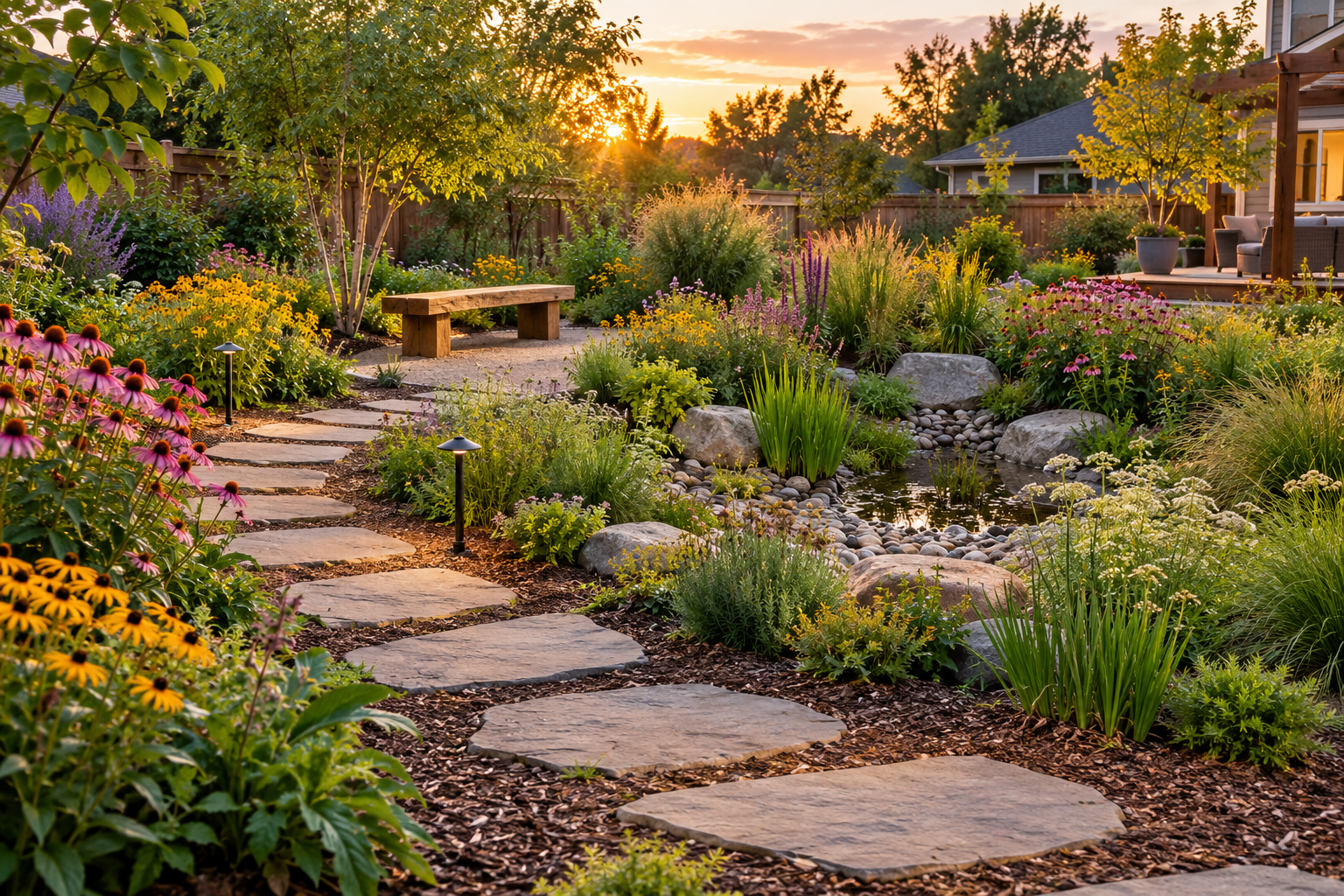
To be effective, water features must be designed with the safety of the wildlife in mind. Deep, steep-sided containers are dangerous for small creatures, which can easily fall in and struggle to climb out. Instead, prioritize shallow, wide-rimmed basins or ponds with gently sloping sides. If you are using a standard birdbath, you can easily modify it by placing large, clean stones or flat rocks in the center. These act as essential landing pads, allowing bees, butterflies, and dragonflies to perch safely at the water’s edge to drink without the risk of drowning.
Maintaining the health of your water feature is just as important as installing it. Stagnant water can become a breeding ground for mosquitoes or a vector for avian diseases. To keep your water source safe and productive:
- Refresh frequently: Change the water every two to three days. This prevents the buildup of algae and discourages mosquito larvae from maturing.
- Scrub regularly: Once a week, scrub the basin with a stiff brush and a mild, non-toxic solution—such as a diluted vinegar mix—to remove grime and bacterial film. Rinse thoroughly before refilling.
- Placement matters: Position your water feature in a partially shaded area to slow evaporation and keep the water temperature cool for visiting wildlife.
- Create a “beach” zone: If you install a small pond, ensure at least one edge has a gradual slope leading into the water. Lining this slope with gravel or pebbles provides a natural entry point for amphibians like frogs and toads.
Beyond birdbaths and ponds, consider incorporating smaller, “low-tech” water stations throughout your landscape. A shallow saucer filled with damp sand and a few pebbles can serve as a “puddling station” for butterflies. Butterflies require minerals found in moist soil and shallow water, and these small stations allow them to gather nutrients safely. Placing these near your productive raised beds or native flower patches connects your plant care efforts directly to the needs of your local pollinators.
If you choose to install a small pond, avoid the temptation to add fish. While fish are popular in ornamental gardens, they are voracious predators that will consume dragonfly larvae, tadpole populations, and other beneficial aquatic insects. A fish-free pond is a far more productive ecosystem for wildlife, allowing the natural food web to flourish. Over time, you will likely see the water colonize naturally with beneficial insects, which in turn attract birds and other predators, creating a balanced, self-sustaining cycle.
Finally, keep the area surrounding your water source clear of dense, tall weeds that might hide predators like cats. A clear line of sight allows birds to spot potential threats while they drink, making them feel secure enough to return regularly. By providing clean, accessible, and safe water, you are not just adding a decorative element to your backyard; you are providing a life-sustaining resource that anchors the entire local ecosystem. This simple addition is often the primary reason wildlife chooses to make your garden their permanent home.
Select Native Plants for Food and Shelter
The foundation of a thriving backyard wildlife habitat is the selection of native flora. Unlike ornamental non-natives, plants indigenous to your specific region have co-evolved with local pollinators, birds, and beneficial insects. These plants provide the precise nutritional profile—in the form of nectar, pollen, seeds, and berries—that local wildlife requires to survive and reproduce.
When planning your landscape, think in terms of structural diversity. A flat lawn offers little protection; a multi-layered garden provides a sanctuary. By mimicking the architecture of a natural woodland edge, you create a complex habitat that supports a wider variety of species.
To maximize your space, layer your planting strategy:
- Canopy Layer: Plant native trees to provide nesting sites, thermal cover, and high-energy mast (nuts and fruits).
- Understory/Shrub Layer: Incorporate native shrubs to offer dense protection from predators and essential spring blossoms for early-season pollinators.
- Herbaceous Layer: Use perennials and wildflowers to provide a seasonal succession of nectar and host plants for butterfly larvae.
- Ground Layer: Allow leaf litter and low-growing native groundcovers to remain, as these areas provide critical overwintering sites for insects and amphibians.
Prioritizing native species also improves your soil health. Native plants typically possess deeper, more extensive root systems than non-native alternatives. These roots improve soil structure, increase water infiltration, and sequester carbon, creating a self-sustaining ecosystem that requires less chemical intervention. When your soil is healthy, it supports a robust web of mycorrhizal fungi and beneficial microbes, which in turn fuels the growth of your garden.
As you prepare your beds or clear space for new plantings, safety should be your priority. Working with soil and woody stems exposes you to potential hazards, including thorns, hidden debris, and soil-borne pathogens like tetanus or fungal spores. Always wear high-quality, puncture-resistant gardening gloves. This simple habit protects your skin from abrasions and minimizes the risk of infection when handling compost or digging in damp, rich soil.
Evidence-conscious plant care means moving away from the “perfect garden” aesthetic. Instead of deadheading flowers immediately after they bloom, leave seed heads intact through the winter. These dried structures are vital food sources for goldfinches and other seed-eating birds during the lean months. Similarly, avoid aggressive pruning of shrubs until late winter; the woody branches serve as essential winter shelter for overwintering insects.
When selecting your plants, look for nurseries that specialize in local ecotypes. These plants are genetically adapted to your specific climate and rainfall patterns, meaning they will require less supplemental watering and fertilization once established. By choosing plants that are naturally suited to your environment, you reduce the need for resource-heavy maintenance and create a backyard that functions as a resilient, productive wildlife corridor.
Finally, remember that a wildlife-friendly landscape is a work in progress. Observe which plants attract the most visitors and use that data to guide future additions. If you notice a specific bird species frequenting your yard, research the native berries or seeds they prefer and integrate those into your next planting phase. By layering your garden with intention and protecting yourself while you work, you transform your backyard from a mere patch of grass into a vital, life-sustaining habitat.

Build Natural Shelter and Nesting Sites
Creating a thriving wildlife habitat starts with moving away from the urge to keep every corner of your garden pristine. Nature rarely thrives in perfectly manicured spaces. By integrating pockets of “managed wildness,” you provide essential refuges where local fauna can seek shelter from predators, escape extreme temperatures, and find safe places to raise their young.
One of the simplest ways to start is by establishing a log or brush pile in a quiet, undisturbed area of your yard. As wood decays, it creates a micro-habitat that supports fungi, beetles, woodlice, and centipedes. These organisms are the foundation of a healthy garden ecosystem, helping to cycle nutrients back into the soil. Over time, these piles become hunting grounds for hedgehogs, amphibians, and insectivorous birds.
You can also support local biodiversity by leaving a patch of grass long or allowing a section of your garden to grow into a meadow-like state. Tall grasses and native wildflowers offer critical nesting material and daytime cover for small mammals and ground-nesting bees. If you have the space, consider leaving a few dead stems from perennial plants standing through the winter; these hollow stalks provide vital overwintering sites for solitary bees and beneficial predatory wasps.
If you choose to supplement these natural features with man-made structures like birdhouses or insect hotels, safety should remain a priority during construction. Using power tools to create these habitats is efficient, but it requires careful preparation to ensure you don’t sustain an injury while building for nature.
Follow these safety guidelines when crafting your own nesting sites:
- Secure your materials: Always use clamps or a vice to hold your lumber firmly to your workbench. Never attempt to hold wood in place with your hand while drilling or cutting.
- Prioritize eye protection: Wear ANSI-rated safety goggles at all times. Wood dust and flying splinters can cause significant eye damage in a fraction of a second.
- Check your environment: Ensure your workspace is clear of debris and that power cords are positioned away from the path of your drill bit or saw blade.
- Use the right bit: Select the correct drill bit for the task—such as a spade bit for entrance holes or a twist bit for pilot holes—to prevent the drill from binding or kicking back.
- Mind your grip: Maintain a firm, two-handed grip on the drill to ensure you have full control if the bit hits a knot in the wood.
When placing your finished birdhouses, orient them away from prevailing winds and direct, harsh sunlight. For insect hotels, ensure the structure is mounted securely to a post or tree, keeping it at least a foot off the ground to prevent moisture from rotting the base. Using untreated, natural wood is essential; avoid pressure-treated lumber or toxic stains, as these chemicals can leach into the soil and harm the very creatures you are trying to attract.
Evidence-conscious gardening is about observation. Once you have built your shelters, take a moment to watch them from a distance. You may notice that birds prefer a house placed in a specific corner of the garden, or that certain insects favor a log pile with more shade. Use these observations to refine your habitat. By balancing intentional construction with the wisdom of leaving some areas to nature’s own design, you create a resilient, self-sustaining landscape that benefits both your garden’s soil health and the local wildlife population.
Eliminate Chemicals and Manage Soil Health
Creating a thriving wildlife habitat begins beneath your feet. While it is tempting to reach for synthetic fertilizers or pesticides to manage garden pests and boost growth, these chemicals often cause collateral damage. They disrupt the delicate soil food web, kill beneficial insects, and can be toxic to the very birds, amphibians, and pollinators you want to attract to your yard.
Transitioning away from chemical inputs requires a shift in mindset: focus on feeding the soil rather than feeding the plant. When your soil is biologically active and nutrient-rich, your plants develop stronger root systems and natural defenses against pests and disease. This creates a self-sustaining cycle where healthy plants support a diverse range of wildlife.
The foundation of healthy, chemical-free soil is organic matter. By consistently adding organic material, you improve soil structure, water retention, and nutrient availability. Here are the most effective ways to build your soil without synthetic additives:
- Start a compost pile: Kitchen scraps, dried leaves, and grass clippings are “black gold.” Composting recycles nutrients back into your landscape, providing a slow-release fertilizer that encourages earthworms and beneficial microbes.
- Apply organic mulch: Use wood chips, straw, or shredded leaves to cover bare soil. Mulch suppresses weeds naturally, retains moisture, and slowly breaks down to enrich the earth below.
- Use compost tea: If your plants need a quick boost, a diluted compost tea can provide a gentle nutrient infusion without the harsh salts found in synthetic chemical fertilizers.
- Plant cover crops: In raised beds during the off-season, plant clover or vetch. These “green manures” fix nitrogen in the soil and prevent erosion, eliminating the need for store-bought fertilizers.
When you stop using herbicides, you will inevitably see “weeds.” However, in a wildlife-friendly habitat, consider redefining these plants. Many native “weeds,” such as dandelions or clover, provide essential early-season nectar for bees and butterflies. By managing your garden with a light touch, you allow these beneficial plants to coexist with your ornamental or vegetable crops.
If you encounter a pest outbreak, resist the urge to spray. Instead, look for evidence-based biological controls. If aphids appear, wait a few days; you will often find that ladybugs, lacewings, or parasitic wasps arrive to feast on them. By eliminating chemical pesticides, you allow these natural predators to establish a permanent residence in your garden. A balanced ecosystem is far more effective at controlling pests than any bottle of spray.
For your raised beds, the strategy remains the same. Because raised beds are contained environments, they can lose nutrients faster than the ground. Replenish them annually with a thick layer of finished compost. Avoid tilling the soil deeply, as this disrupts the fungal networks and microbial colonies that help plants absorb nutrients. Instead, use a broadfork or a hand trowel to gently incorporate the compost into the top few inches.
Finally, remember that soil health directly impacts the wildlife food chain. Healthy soil produces nutrient-dense foliage, seeds, and fruits. These, in turn, sustain the caterpillars that birds rely on to feed their young, and the insects that amphibians hunt for protein. When you nurture the soil, you aren’t just gardening; you are building the foundation for a complex, living habitat that sustains itself season after season.
By removing chemicals from your routine, you are making the single most impactful decision for the longevity of your backyard habitat. The transition may take a season or two as the soil biology recovers, but the result is a resilient, vibrant landscape that requires less maintenance and offers far more life.
Ongoing Maintenance and Frequently Asked Questions
Maintaining a backyard wildlife habitat is a dynamic process rather than a static project. Unlike a traditional manicured lawn, a thriving habitat requires a shift in perspective, moving away from rigid control toward stewardship. The goal is to support natural cycles while ensuring your space remains functional and healthy for both you and the local fauna.
Seasonal cleanup is the cornerstone of habitat maintenance. In late winter, before the first signs of spring growth, clear out old nesting boxes to remove parasites and debris from the previous season. This gives returning birds a clean, safe environment to raise their young. Similarly, refresh your water features by scrubbing birdbaths with a stiff brush and mild soap to prevent algae buildup and disease transmission. Keeping water sources clean is one of the most effective ways to support local bird and pollinator populations.
When managing soil health and raised beds, avoid the impulse to over-cultivate. Tilling disrupts the complex fungal networks and microbial life that plants rely on for nutrient uptake. Instead, practice “no-dig” gardening by applying a layer of organic compost or leaf mulch to the surface of your beds each autumn. This protects the soil structure from erosion, suppresses weeds, and feeds the earthworms and beneficial bacteria that naturally aerate the ground for you.
Evidence-conscious plant care means working with your region’s specific ecology rather than against it. If you are uncertain about the health of your plants or need to identify potential invasive species, prioritize local expertise. Invasive plants often outcompete native flora, providing little to no nutritional value for local wildlife. If you encounter a plant you cannot identify, avoid removing it until you are certain it isn’t a native species that serves as a critical host plant for butterflies or bees.
For large-scale landscape changes or complex soil issues, reach out to your local agricultural extension office or a certified master gardener. These professionals provide evidence-based guidance tailored to your specific climate, soil type, and regional pest pressures. They can help you navigate the nuances of native plant selection and sustainable pest management strategies that protect your habitat.
To keep your habitat thriving year-round, consider these maintenance best practices:
- Leave the leaves: Instead of bagging autumn leaves, rake them into garden beds. They act as a natural insulator for plant roots and provide essential overwintering habitat for pollinators and beneficial insects.
- Monitor for invasives: Spend a few minutes each month scouting for aggressive non-native species. Early detection and manual removal are far safer and more effective than chemical intervention.
- Prune with purpose: Avoid “deadheading” every flower in the fall. Seed heads from native perennials provide vital winter food for songbirds, while hollow stems offer shelter for solitary bees.
- Water wisely: If you use raised beds, install drip irrigation or soaker hoses to deliver water directly to the root zone. This minimizes evaporation and keeps foliage dry, which helps prevent fungal diseases.
- Observe and record: Keep a simple journal of what wildlife visits your garden and when. This helps you understand the seasonal rhythms of your specific yard and allows you to adjust your planting strategy to fill “food gaps” during lean times of the year.
Remember that a wildlife-friendly landscape does not need to be perfect. A few fallen branches in a back corner or a patch of slightly “messy” native grasses are often the most valuable features for local wildlife. By focusing on soil health, reducing chemical inputs, and maintaining a gentle, observant presence in your garden, you create a resilient ecosystem that grows more productive and vibrant with every passing season.